December 16th, 2025
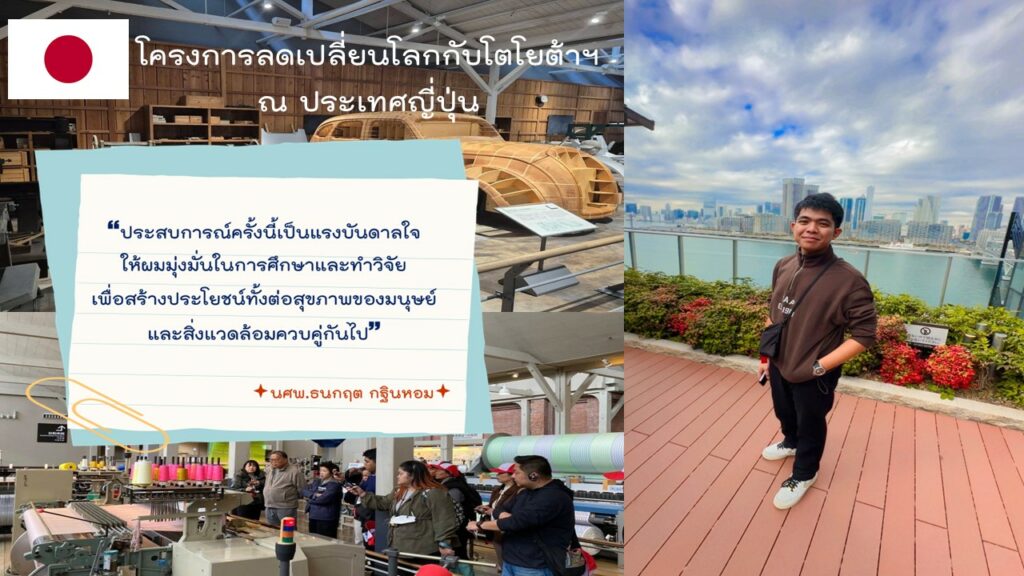
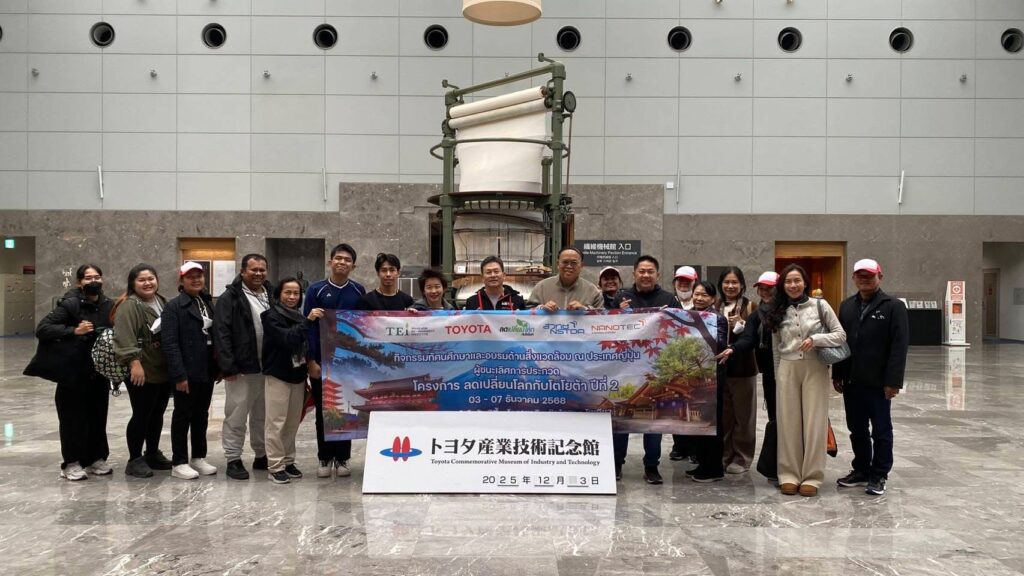
Thanakrit Kathinhom, a first-year medical student, was invited to present his work and participate in a study visit focusing on innovation, technology, and environmental management in Japan from 2–7 December 2025, under the ‘Changes the World with Toyota Project, Year 2.’ The program was organized by the National Science and Technology Development Agency (NSTDA) in collaboration with Toyota Motor Thailand Co., Ltd., with the aim of supporting youth with strong potential in innovation and environmental sustainability. This opportunity followed the success of his project, ‘A Carbon Dioxide Absorbing Wind Turbine Enhanced with Graphene and Mycelium Fibers,’ which won first prize at the 2024 Youth Innovation for a Sustainable World Competition.
Throughout the journey, Thanakrit and fellow program participants engaged in a wide range of study visits covering environmental management systems, clean energy technologies, and future-oriented innovations across the cities of Okazaki, Shizuoka, and Tokyo. Key sites included the Tokyo Hydrogen Museum, teamLab Planets, Toyota Mega Web, and several environmental management centers. The visit was supported by Toyota Motor Thailand Co., Ltd. and the National Nanotechnology Center.
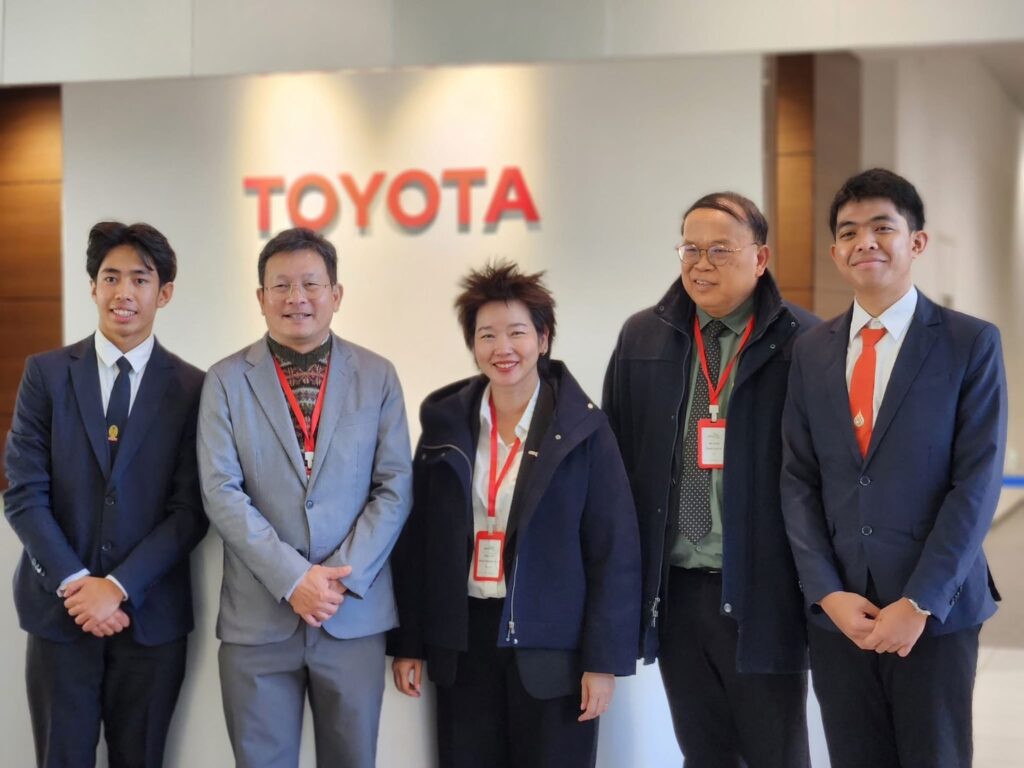
Behind this significant journey is an award-winning innovation, shaped by personal experience and a deep awareness of environmental issues. Thanakrit shared the concept and inspiration behind his work, stating: ‘This innovation originated from my own experiences, as I suffers from allergic rhinitis. I often develop symptoms when exposed to dust and smog. This led me to question whether there might be a way to absorb carbon dioxide while simultaneously filtering particulate matter. This idea guided my exploration of mycelium fibers; natural materials derived from fungi that possess excellent absorptive properties and are environmentally friendly.’
The success of the project was not achieved through individual effort alone, but rather as the result of systematic and collaborative teamwork.
“The project’s award-winning success was driven by a structured, step-by-step development process, ranging from comprehensive background research to the creation of a functional prototype. Equally vital were the guidance and support provided by NSTDA researchers, faculty
members, and all team members, whose collaborative exchange of ideas, problem-solving efforts, and continuous refinement of the work contributed significantly to its success.”
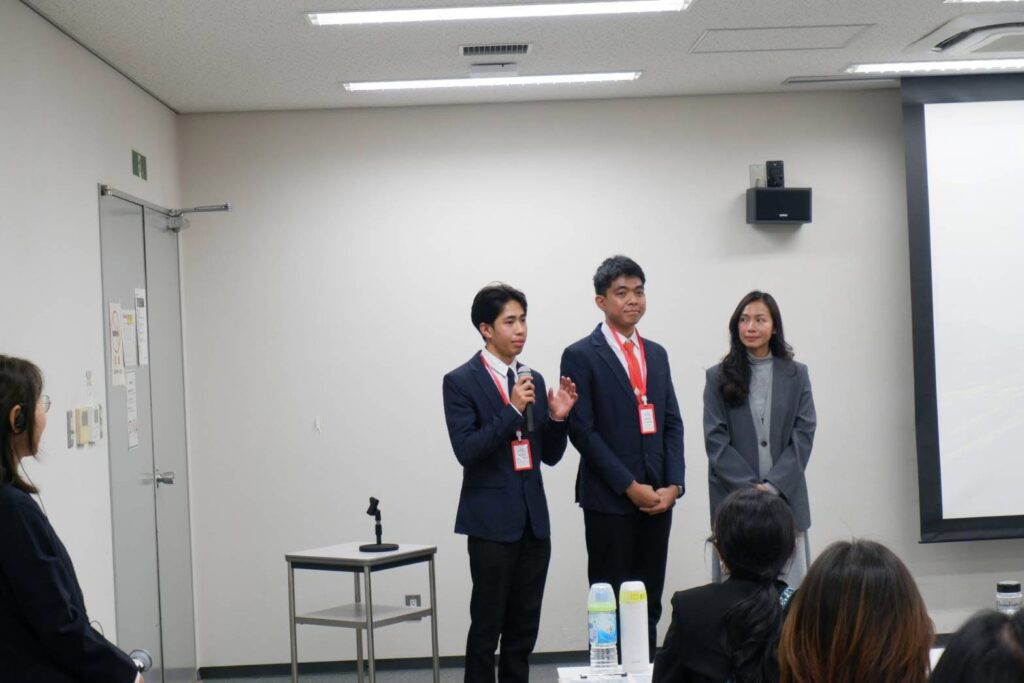
Thanakrit regarded this study visit to Japan as a highly valuable experience that extended far beyond classroom-based learning.
“This journey allowed me to learn about environmental technologies and systematic approaches to problem management, while also providing opportunities to exchange experiences and build friendships with participants from diverse disciplines. It was a truly impressive and memorable experience.”
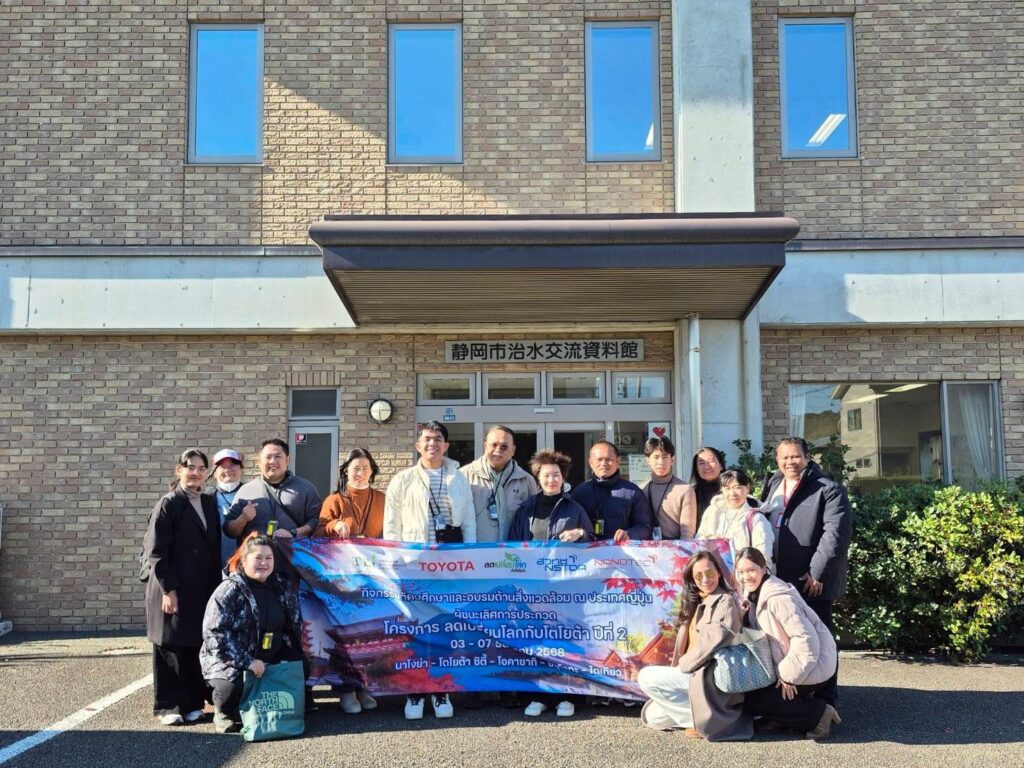
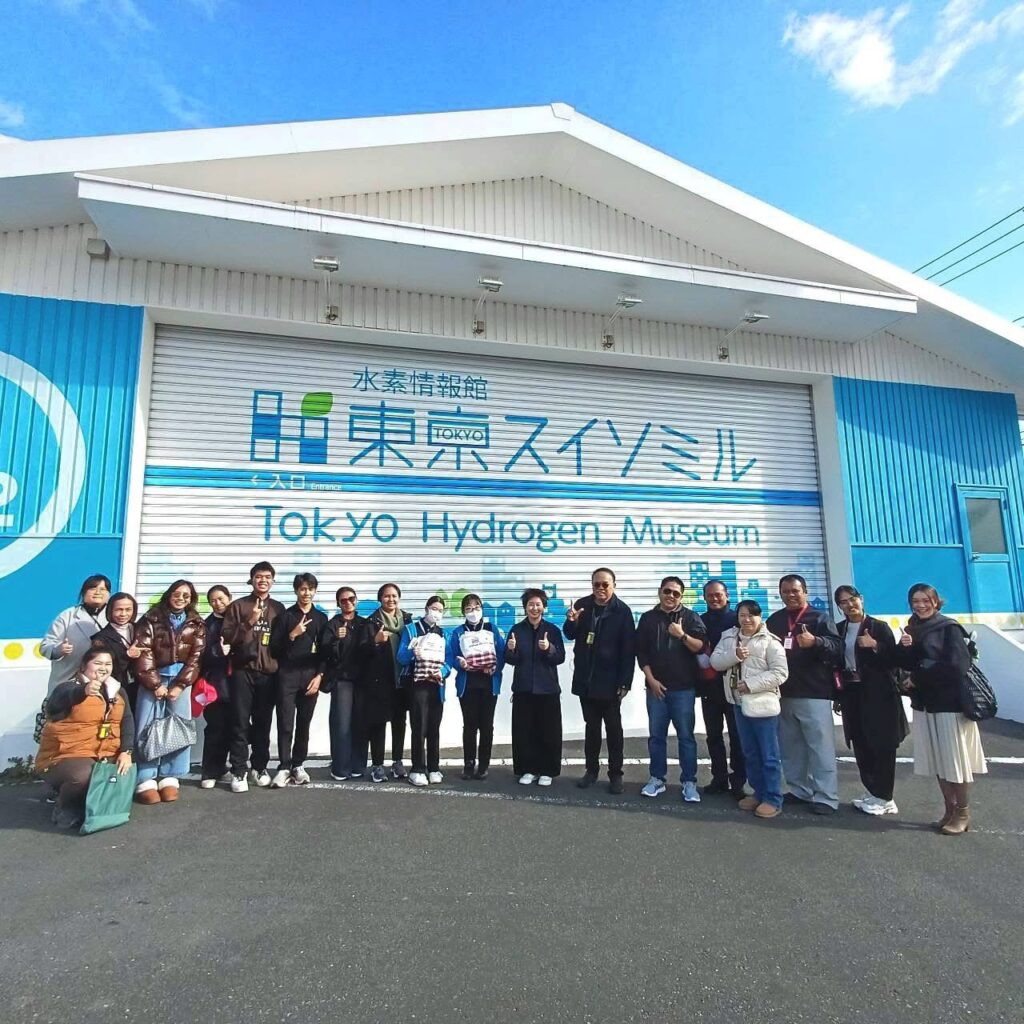
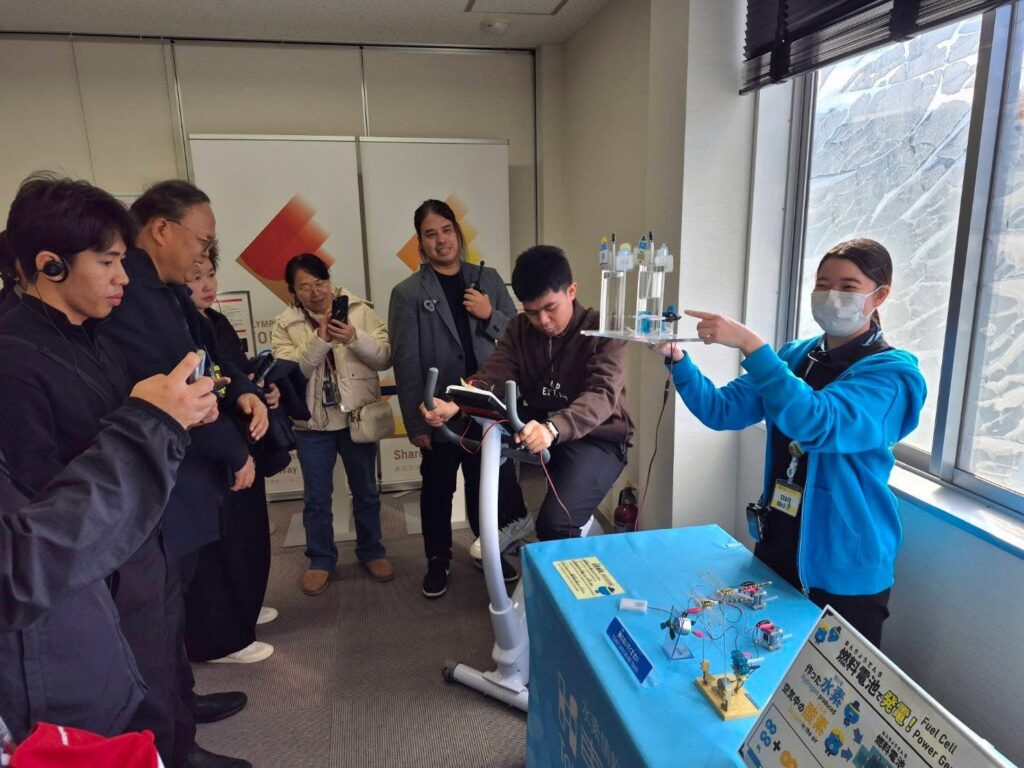
One of the most inspiring aspects was the opportunity to closely observe innovations in clean energy.
“I had the opportunity to observe environmental technologies in tangible forms, particularly hydrogen-powered vehicles that significantly reduce emissions. This experience clearly demonstrated how technology can play a vital role in addressing environmental challenges in a truly sustainable manner.”
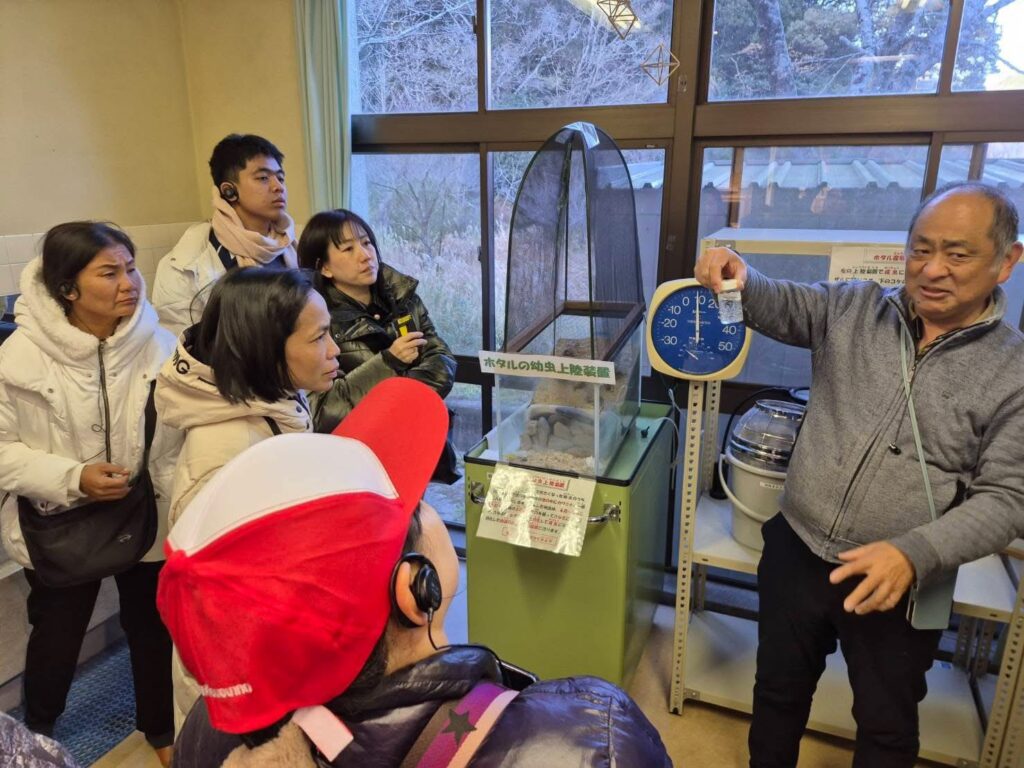
Another impressive aspect was the story behind the success of a world-class organization.
“Learning about Toyota’s history from its origins as a textile factory to its continuous advancement in technological innovation, clearly reflects the power of vision, perseverance, and the ability to adapt to a rapidly changing world.”
In the future, Thanakrit plans to build upon these experiences and integrate them into his medical career and research endeavors.
“Environmentally friendly technological concepts can be applied to medical research, such as the development of medical materials or devices that are safe, reduce waste, and offer greater sustainability. This experience has therefore inspired me to remain committed to my studies and research, with the aim of contributing to both human health and environmental well-being in parallel.